4-Week Puppy Training Plan: Potty, Cues, Leash, Social
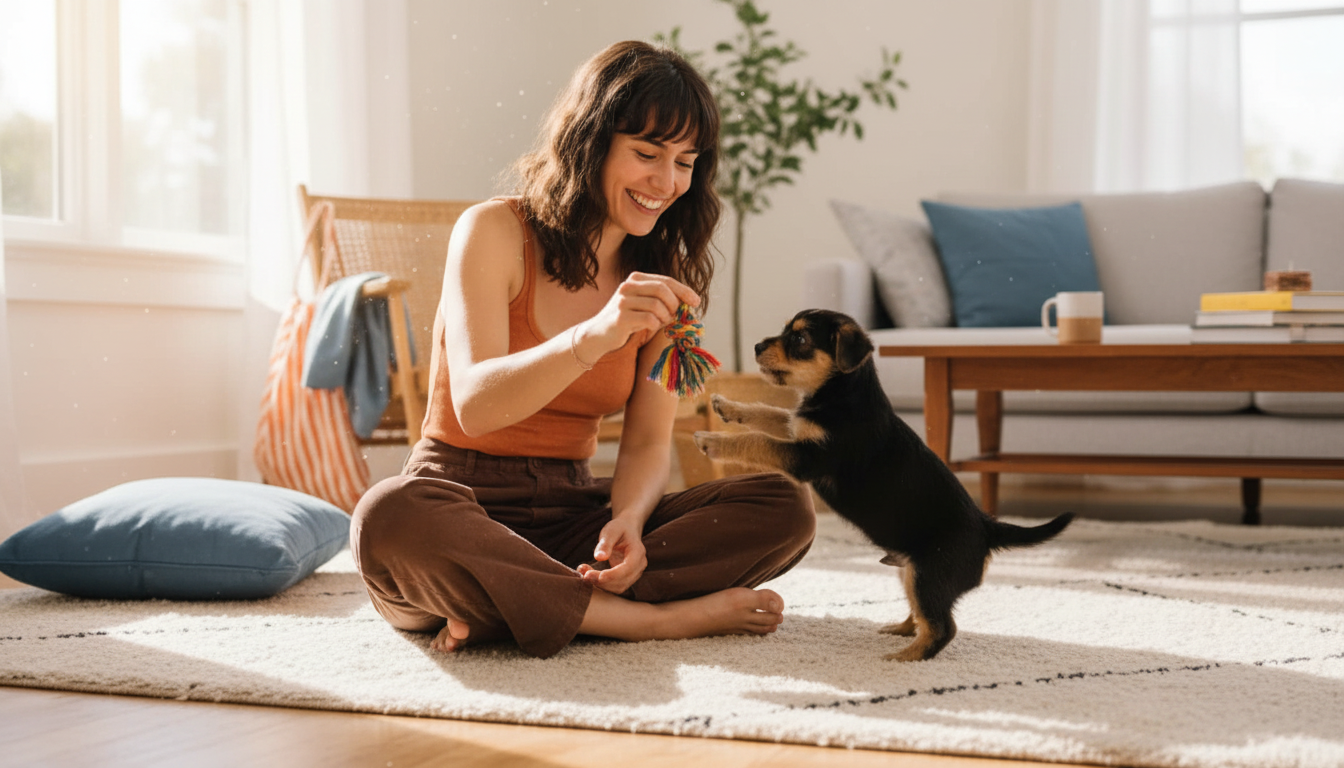
New Puppy Training Starter Guide: A 4-Week Plan for Routines, House-Training, Commands, and Socialization
The first month with a new puppy sets the tone for everything that follows. A simple routine, clear cues, and short daily practice sessions can reduce accidents, prevent problem habits, and build confidence. Below is a predictable, week-by-week starter plan covering home setup, house-training, foundational commands, and safe socialization—so you always know what to do next, even when puppy behavior feels random.
Before Day 1: Set Up the Home and Training Rules
Preparation prevents the most common early setbacks (accidents, chewing, and overtired chaos). Decide on a confinement plan now: a crate plus an exercise pen is often the easiest combo, or use one puppy-proofed room with a baby gate. Choose where the puppy sleeps, and pick the exact door you’ll use for potty trips so the routine is consistent.
Next, pick 1–3 rewards and keep them ready: tiny soft treats, a measured kibble portion, and/or a quick toy game. Save the highest-value reward for harder moments like outdoor distractions. Align the household on rules and language (same cue words, same furniture policy, same off-limits rooms) so the puppy isn’t guessing. Stock essentials: crate, leash, flat collar or harness, enzymatic cleaner, chew toys, food puzzles, gates, and poop bags.
Finally, schedule a vet check and ask about vaccination timing so you can plan safe outings and social exposure. For socialization guidance that prioritizes health and behavior, the American Veterinary Society of Animal Behavior (AVSAB) is a strong reference point.
The First 48 Hours: Calm Decompression and Predictable Rhythm
The first two days are about settling in, not “fixing” everything. Keep the environment quiet and structured: short play bursts, frequent naps, and limited visitors. Start a simple potty loop immediately—out after waking, after eating or drinking, after play, and every 1–2 hours at first. Track meals, water, potty trips, and accidents to find patterns fast.
Begin name recognition with tiny sessions: say the name once, wait for eye contact, then reward. Repeat for 1 minute, a few times a day. Also prevent rehearsal of unwanted behaviors: use gates, keep a leash on indoors if needed, and offer an appropriate chew before nipping ramps up.
Quick daily routine template (adjust to age and vet guidance)
| Time window | What to do | Goal |
|---|---|---|
| Morning | Potty immediately, breakfast, 5–10 min calm play, short training (name/sit), nap | Start the day with success and reduce accidents |
| Midday | Potty, gentle social exposure (sounds/objects), chew time, nap | Confidence building without overstimulation |
| Afternoon | Potty, leash practice indoors/outdoors, short training (down/come), nap | Introduce handling and movement skills |
| Evening | Dinner, potty, quiet play, settle on mat, final potty before bed | Wind down and support sleeping through the night |
Week 1: House-Training Foundations That Actually Stick
Consistency beats intensity. Use one door and one potty spot. When your puppy finishes, reward immediately (within 1–2 seconds) so the behavior and reward connect. Supervise or confine: if you can’t watch, the puppy goes in the crate/pen with something safe to chew.
If an accident starts indoors, interrupt calmly—soft “outside”—then carry or lead to the potty spot. Avoid scolding; it typically teaches the puppy to hide when eliminating. Clean with an enzymatic cleaner so lingering scent doesn’t invite repeat accidents. As the puppy begins to potty, quietly add a cue (like “go potty”), then reward after completion.
At night, many young puppies need scheduled potty breaks. Set an alarm, keep the trip boring and quick, and gradually push the time later as success improves. For additional house-training best practices, the Humane Society of the United States offers a helpful overview.
Week 2: Basic Cues and Bite Inhibition Without Power Struggles
Keep training sessions short: 3–5 minutes, 2–4 times daily, ending while your puppy still wants more. Teach sit and down using lures (treat to nose, then guide into position). Once the motion is predictable, add the verbal cue right before the movement.
If you want a structured daily checklist that keeps cues, potty tracking, and bite-inhibition steps consistent across family members, consider the New Puppy Training Starter Guide (printable 4-week routine).
Week 3: Leash Skills, Impulse Control, and Real-Life Practice
Week 4: Socialization That Builds Confidence (Not Fear)
Avoid flooding (forcing the puppy into scary situations). Let your puppy approach and retreat. Create a simple “socialization checklist,” spread items across days, and repeat easy wins. When appropriate per your vet and local risk factors, consider a well-run puppy class that uses force-free methods, screens for health, and manages play. The American Kennel Club’s puppy training basics can help you understand what foundational skills to prioritize.
Common Setbacks and Simple Fixes
Printable Plan Option for Busy Weeks
For a ready-to-use plan you can reference quickly, the New Puppy Training Starter Guide | Printable Puppy Training eBook for Beginners is designed around short sessions, positive reinforcement, and simple troubleshooting.
If you also want a general-purpose framework for building consistent household routines and follow-through, the Essential Adult Skills Guide can be a useful companion for organizing schedules and responsibilities while you’re juggling puppy care.
FAQ
What is the 3 3 3 rule for new puppies?
The “3-3-3 rule” is a common adjustment timeline: about 3 days to decompress, around 3 weeks to learn routines and feel safer, and roughly 3 months to feel truly at home. It varies by puppy, but consistent structure and positive experiences generally make the transition smoother.












Leave a comment